
Ceiling drywall repair in New Berlin
If you’ve been staring at a crack in the ceiling, let’s get it sorted.
Get a free estimate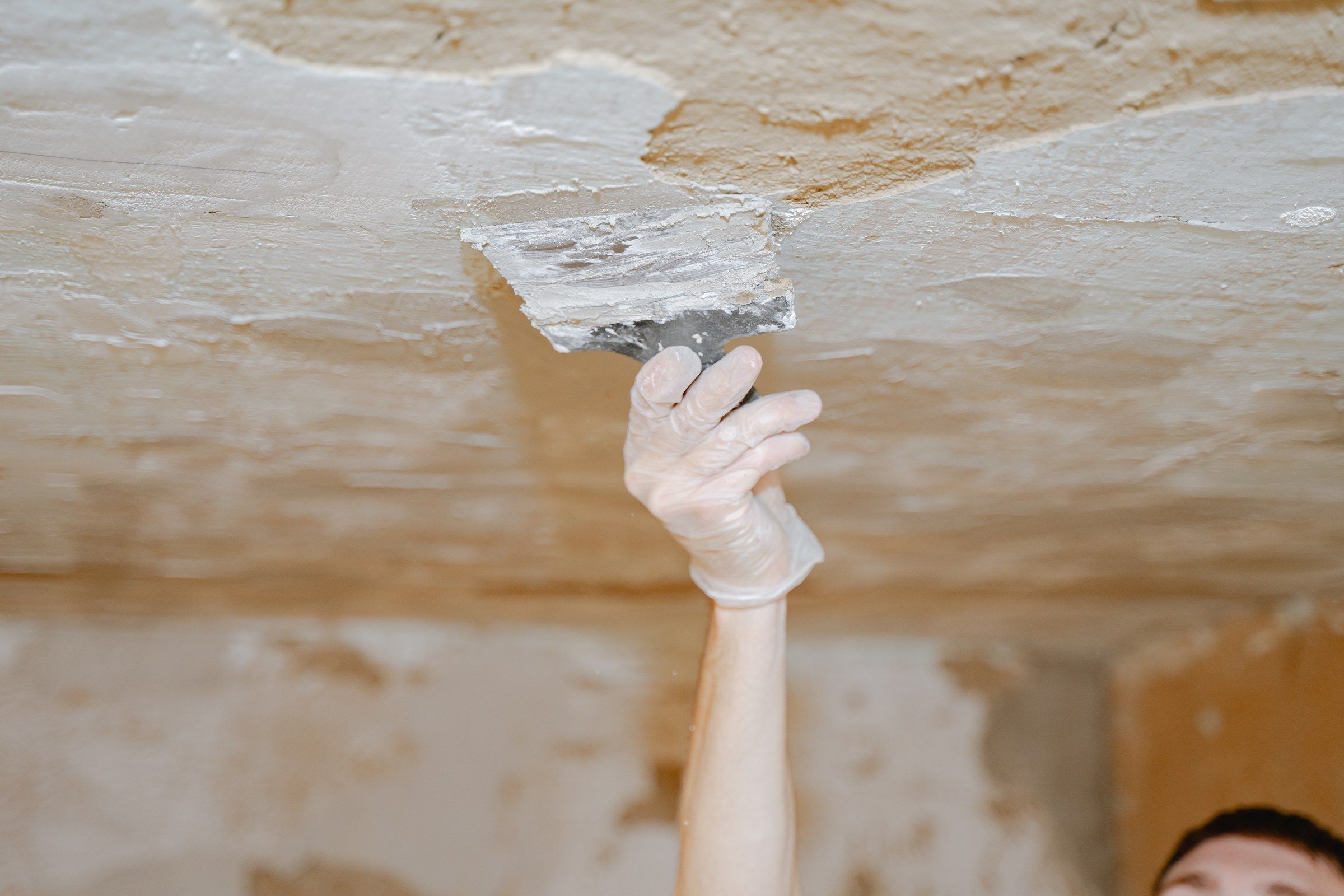
The short version
We find out why the ceiling cracked or sagged, secure it, re-tape the joint and blend the repair. Most ceiling repairs take two or three short visits.
Ceiling problems have a way of catching your eye at exactly the wrong moments. Lying on the couch. Hosting dinner. Showing the house to a buyer.
The good news: most of them aren’t serious, and nearly all can be repaired without replacing the whole ceiling. The trick is fixing the reason it happened, so you’re not looking at the same crack next year.
Why ceilings crack and sag
A straight crack is almost always a seam between two sheets of drywall. The tape over it has come loose. Smearing filler into the crack won’t hold, because the seam still moves.
Sagging usually means the drywall is too thin for the span, has too few screws, or got wet at some point. Small bumps in a row are “nail pops”, where the fastener has backed out as the wood dried.
What we fix
Cracks along seams
Re-taped so they stop coming back.
Cracks where the wall meets the ceiling
Common in winter here, and fixable.
Nail pops
Screwed down tight and smoothed over.
Sagging sections
Re-fastened or replaced.
Old water stains
Sealed, or cut out if the board is soft.
Holes from old lights
Patched after fixtures are moved.
How we do it
Figure out the cause
So the fix lasts.
Cover the room
Everything below gets protected.
Secure the drywall
New screws into the joists.
Re-tape and coat
Fresh tape, three coats, spread wide.
Match the texture
So the repair blends in.
A note on painting
Ceilings are tricky to touch up. Even with the same can of paint, a patch of new paint usually shows as a slightly different shade. For an invisible result, plan to repaint the whole ceiling.
If your ceiling is textured, we’ll match it. If it’s popcorn, a patch will always be visible, and that’s often the push people need to have it removed.
Why it’s worth doing
It stops nagging at you
One less thing to notice every evening.
It won’t come back
Because we fixed the cause.
It’s safer
Sagging ceilings are secured.
It helps when selling
Buyers notice ceilings.
What makes a ceiling repair cost more or less
Ceilings are harder to fix than walls, plain and simple. We’re working overhead on a platform, and wet compound wants to fall down instead of staying put. That alone makes the work slower.
But the bigger reason is that ceilings are unforgiving. Daylight from your windows skims across the ceiling at a low angle all day long, and it shows every little ridge. To make a repair vanish, we have to spread the compound much wider than we would on a wall.
Beyond that, it depends on what’s wrong. A single crack is one thing. A sagging section that needs to be replaced is another. A textured ceiling adds the step of matching the texture. And nearly every ceiling repair ends with repainting the whole ceiling, so it’s worth including that in your plans.
First, figure out why it happened
Ceilings don’t usually crack or stain for no reason. Before we fix the surface, we want to know the cause, because otherwise you’ll be calling us back.
A brown stain means water. It could be the roof, a bathroom upstairs, or frost in the attic that melted when the weather warmed up. That needs to be tracked down and stopped first.
A crack right where the ceiling meets the wall, one that opens in winter and closes in summer, is very common around here. Roof trusses lift slightly when it’s cold, and they take the ceiling with them. It looks alarming but it’s cosmetic. There’s a way to repair it so the corner can move without cracking again.
A sag between the joists usually means the drywall got wet at some point, or was too thin for the spacing above it. Sometimes it can be screwed back up. Sometimes it needs to come down.
Should I try fixing it myself?
Small things, sure. A couple of popped screws or a hairline crack you want to tidy up before painting are fair game. Use paper tape on any crack that follows a seam, or it will be back by next winter.
For anything larger, ceilings are a tough place to learn. Working over your head is tiring, and it’s very hard to get a wide, flat finish while standing on a ladder. Most of the DIY ceiling repairs we’re asked to redo have the same problem: the patch was finished too narrow, so it shows as a stripe.
If there’s any chance the ceiling is holding water, please don’t poke at it from underneath. Wet drywall is heavy, and a soaked section can come down in one piece.
Before we come, and after we leave
- Move what you can out from under the repair. Everything falls down on a ceiling job.
- Tell us if the stain is new or old, and whether the leak has been fixed.
- If you can get into the attic safely, take a look above the spot and tell us what you see.
- Plan on painting the whole ceiling afterward, not just the patch.
A typical ceiling repair takes two or three visits over several days. We cover the floor and furniture below, do the work, and clean up each time. In between visits the room is usable.
When we finish, the repair is smooth and ready for primer. Use a stain-blocking primer if there was a water mark, then paint the entire ceiling from wall to wall. Flat ceiling paint doesn’t touch up well, and one full coat is the only way to get an even look.
Before and after

These are stock photos showing the kind of difference this work makes, not one of our own projects.
Why ceilings crack around here
Blame the weather. In deep cold, roof trusses flex slightly and lift the ceiling at the edges. You get a crack in the corner in January that closes up by June. It’s so common in Wisconsin it has a name: truss uplift.
It isn’t a sign your house is falling apart. There’s a way to fasten the drywall so the corner can flex without tearing, and that’s how we repair it.
Good to know
The crack comes back every winter. Can it be fixed for good?
Usually, yes. That pattern points to roof trusses lifting in the cold. The lasting repair lets the ceiling edge move with them instead of holding it rigid, so the corner stays closed. More compound on its own won’t do it.
Can you match my ceiling texture?
Most of the time. Knockdown and swirl patterns match well. Old popcorn is the hardest, because it yellows and flattens with age. If a match isn’t going to look right, we’ll say so and suggest redoing the whole ceiling in that room.
Is a sagging ceiling dangerous?
It can be if it’s holding water or has come loose from the framing. Keep people out from under it and get it looked at soon. If it’s a slow sag in an old, dry ceiling, it’s less urgent but still worth fixing before it gets worse.
Do I have to repaint the whole ceiling?
Almost always. Ceiling paint is flat, and touch-ups on flat paint show as lighter patches. One coat over the whole ceiling is the reliable way to make the repair disappear.
Your questions about ceiling drywall repair
Is a ceiling crack serious?
Usually not. Thin, straight cracks are cosmetic. If a crack is wide, growing, or comes with a sagging ceiling, have it looked at soon.
Why does it keep coming back after I fill it?
Filler alone can’t hold a moving seam. It needs to be re-secured and re-taped.
Do you have to replace the whole ceiling?
Rarely. Most repairs are local. We only suggest replacing when the damage is widespread.
How long does it take?
Two or three short visits over consecutive days, because each coat needs to dry.
Will there be a lot of dust?
We cover the room and use vacuum sanders, then clean up. It’s a small job as dusty work goes.
You might also need
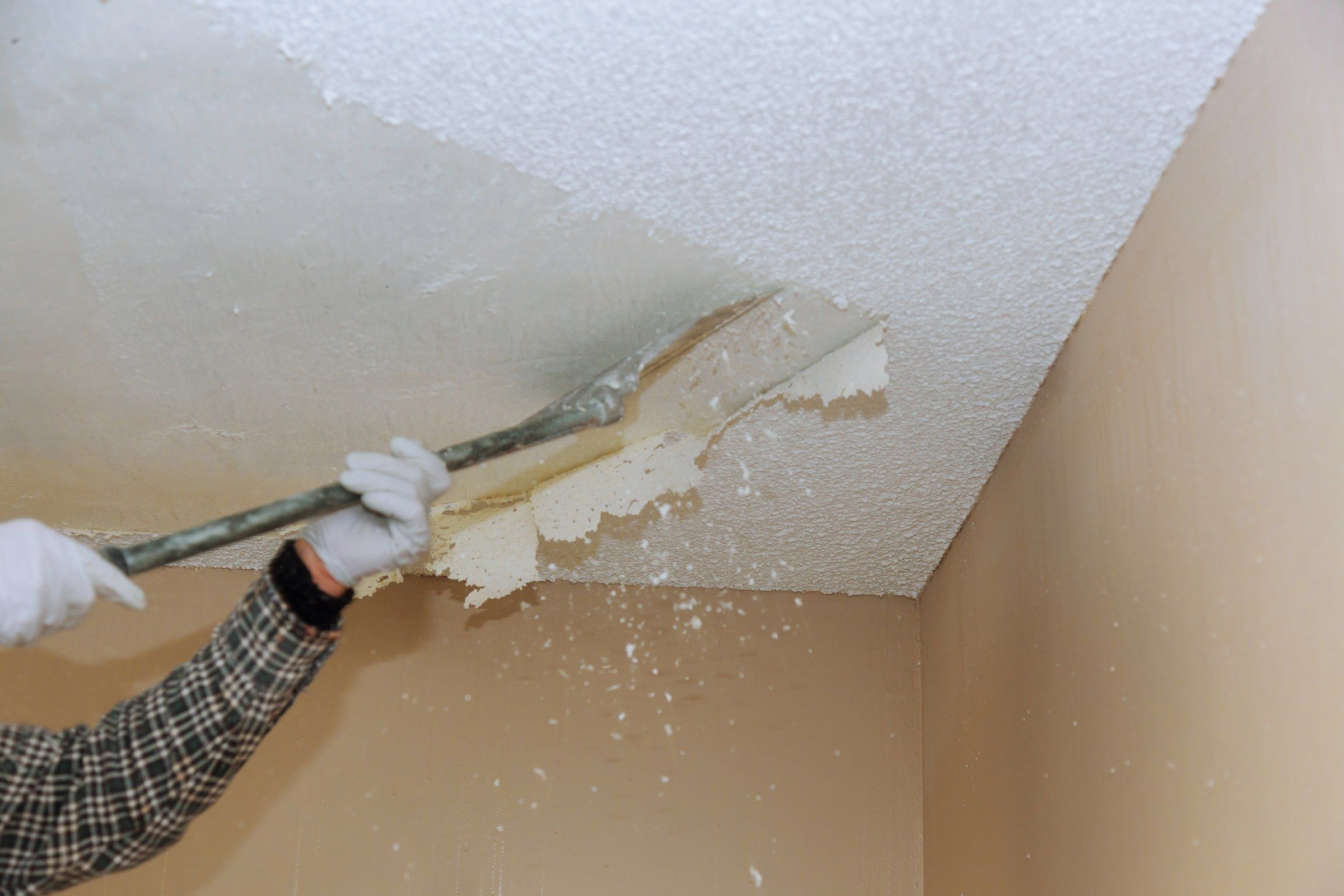
Popcorn Ceiling Removal
Say goodbye to the bumpy ceiling. We scrape, smooth and get it ready for paint.
Learn more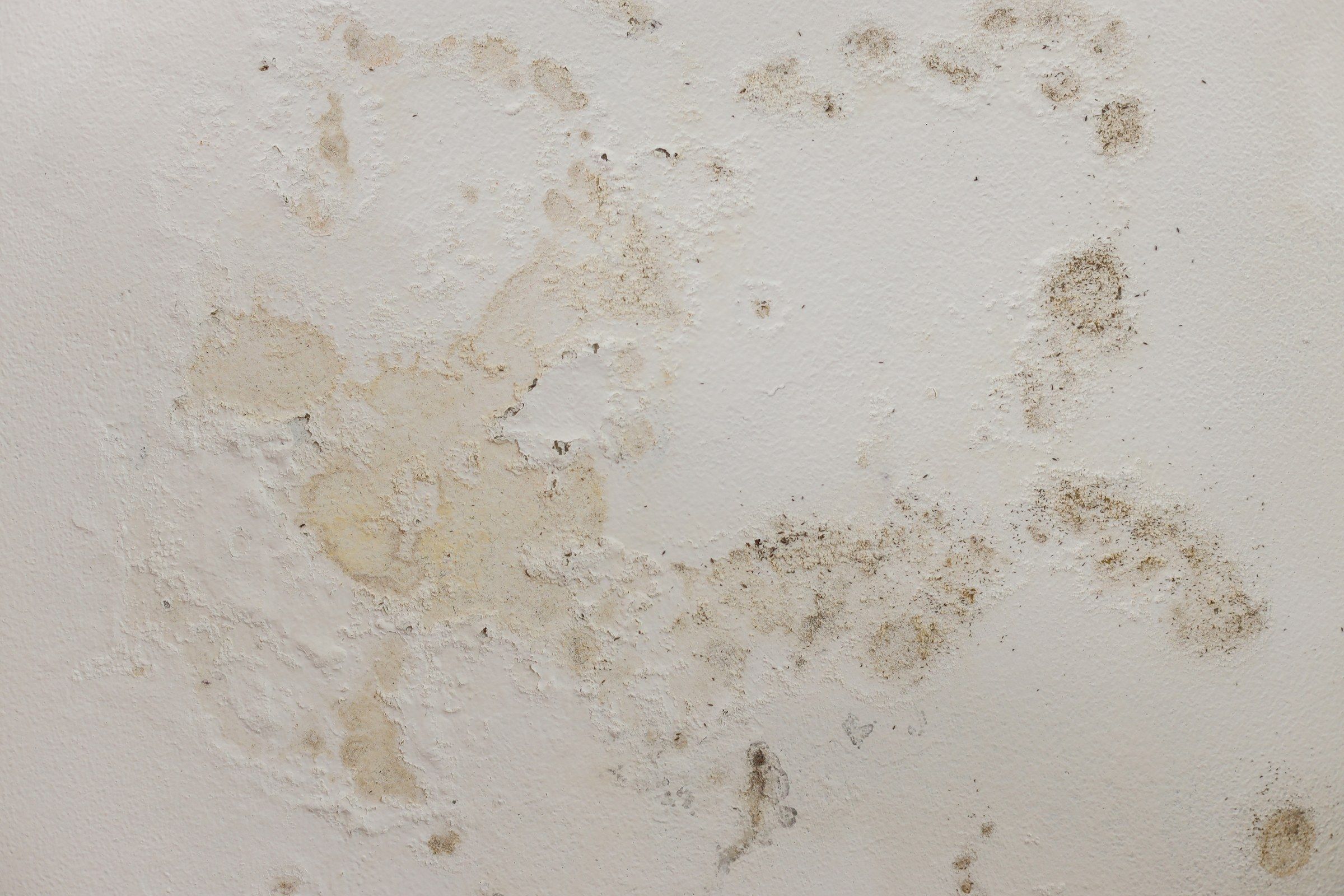
Water-Damaged Drywall Repair
Stains, soft spots and sagging from leaks, cut out and made new.
Learn more
Drywall Repair
Cracks, dents, nail pops and banged-up corners, all handled in one visit.
Learn more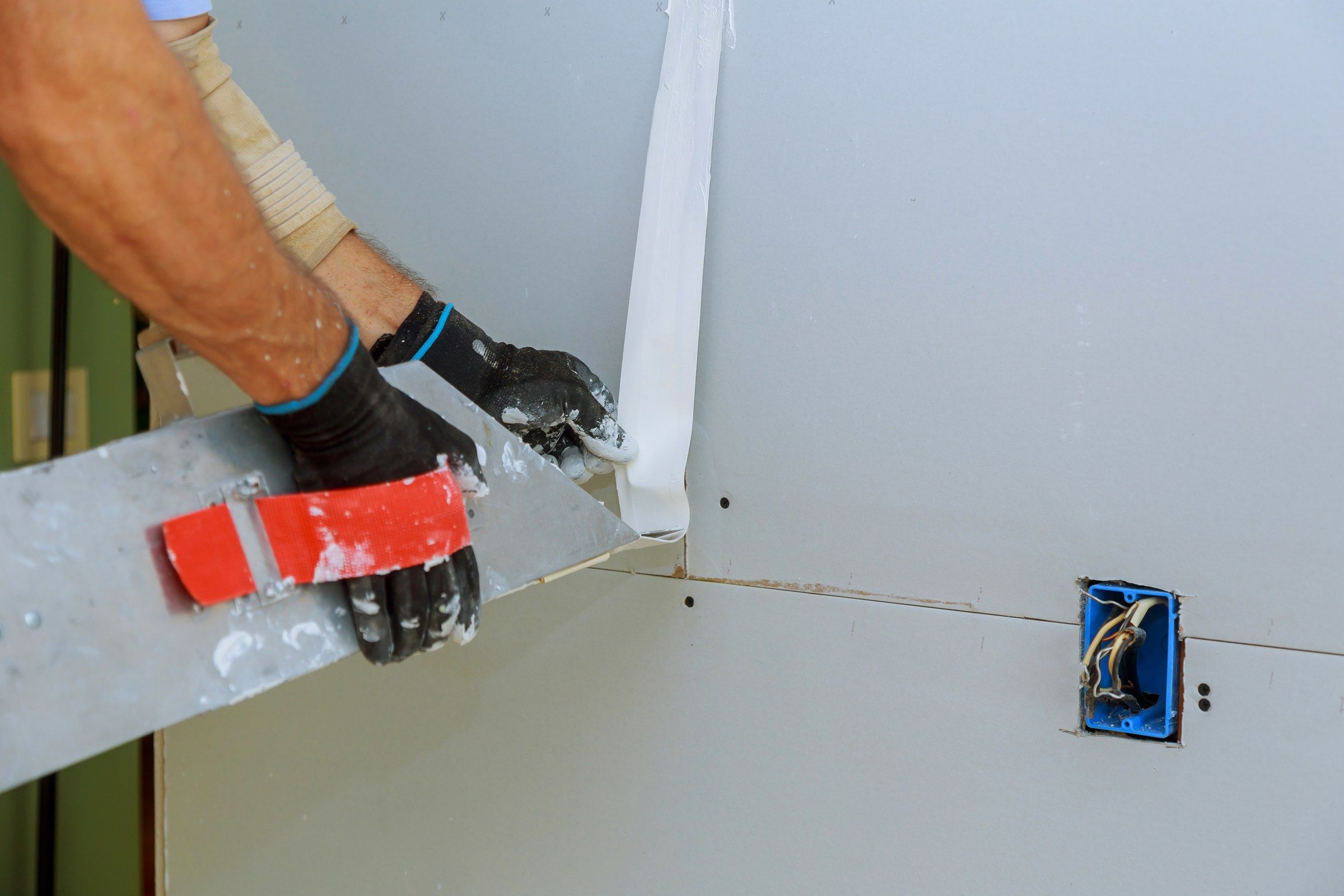
Drywall Patching
Holes big and small, patched so you can’t tell where they were.
Learn moreWant a price for this?
Tell us a little about your ceiling drywall repair project in New Berlin and we’ll send a free written estimate.