
Water-damaged drywall repair in New Berlin
Leaks are stressful enough. We’ll take care of the wall or ceiling part.
Get a free estimate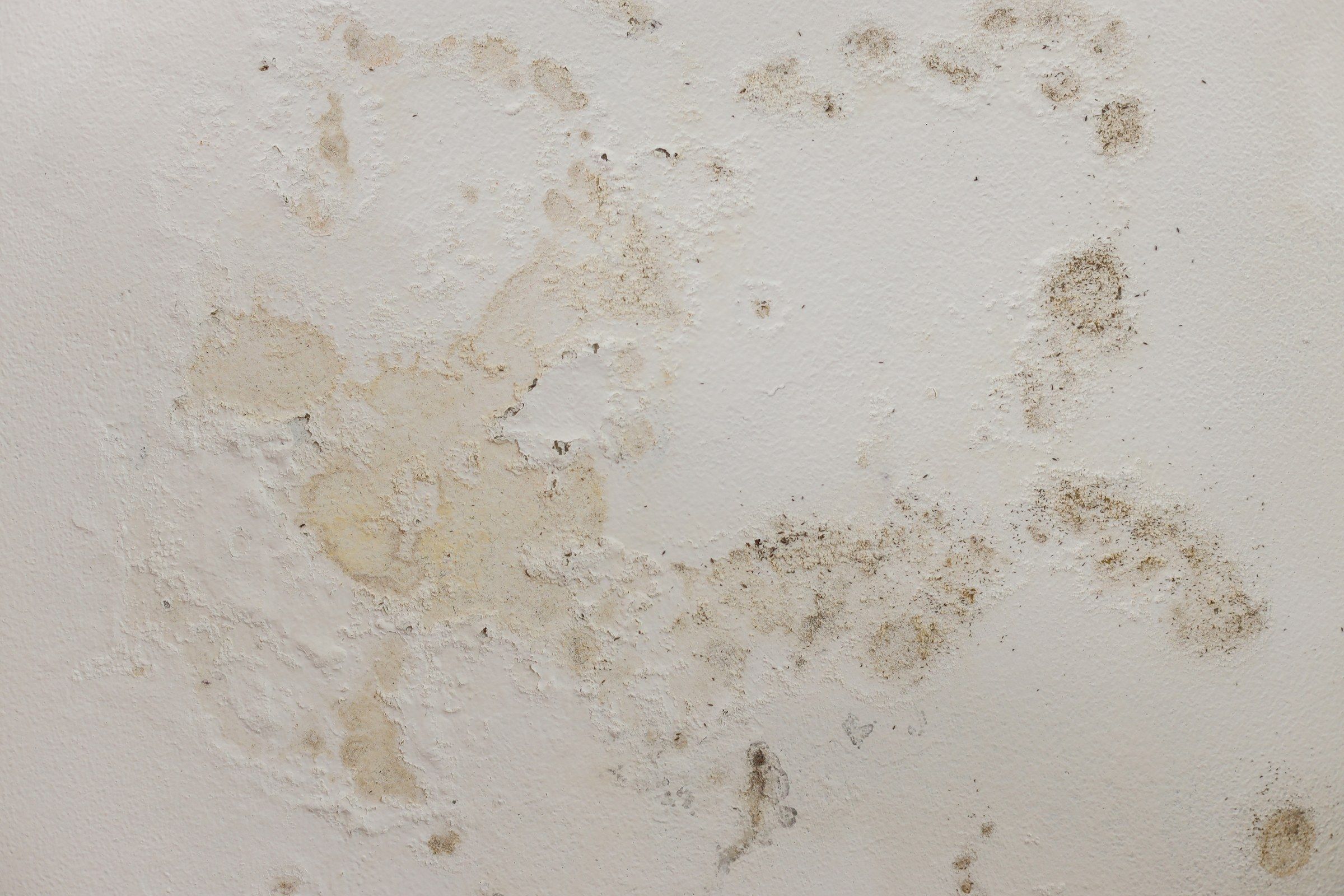
The short version
Once the leak is fixed, we remove the damaged drywall, let everything dry, then install and finish new board. Small ceiling repairs often take three or four days including drying.
Finding a water stain is never a great moment. Is the leak still going? Is there mold? Is the ceiling about to come down? Take a breath. Most water damage looks worse than it is, and it’s very fixable.
The first job is stopping the water, which means a plumber or roofer. The second is ours: getting rid of the drywall that got wet and putting your wall or ceiling back the way it was.
Does it really need replacing?
Not always. Press on the stain. If the drywall is firm and flat, and it dried out quickly, it can usually be sealed with a special primer and repainted. That’s a much smaller job and we’ll tell you if it’s all you need.
If it’s soft, crumbly, bulging or smells musty, it has to come out. Wet drywall doesn’t recover, and leaving it invites mold. We also check further than the stain, because water travels before it shows.
Where the water usually comes from
The bathroom upstairs
A leaky toilet seal, tub drain or supply line shows up on the ceiling below.
The roof
Missing shingles, bad flashing or winter ice dams.
Appliances
Dishwashers, washing machines, fridges with ice makers and water heaters.
The basement
Seepage or a sump pump that quit during a storm.
Frozen pipes
A cold snap, a pipe in an outside wall, and a very bad morning.
How we fix it
Make sure the leak is fixed
Otherwise you’ll be calling us twice.
Check how far it went
A moisture meter tells us what the eye can’t.
Remove the wet stuff
Drywall and any soaked insulation.
Let it dry
A few days with air moving, until the wood reads dry.
Rebuild and blend
New board, taped, finished and textured to match.
Two things that prevent a repeat
First, a stain-blocking primer. Water stains bleed through normal paint, sometimes weeks later. The right primer locks them in for good.
Second, the right board. In bathrooms and basements we replace regular drywall with a moisture- and mold-resistant type. It costs a little more and handles humidity far better.
What we take off your plate
The worry about mold
We open it up and look, so you know.
The ugly stain
Gone, and sealed so it stays gone.
The insurance paperwork
We’ll write an itemized estimate you can submit.
The guesswork
You’ll know exactly what was damaged and what we did.
What makes a water repair cost more or less
With water damage, what you can see is usually the smaller part. Water travels along the wood framing and soaks sideways through drywall, so the wet area behind the paint is often bigger than the stain. We check with a moisture meter and cut back until we reach dry board. That’s why we like to see it in person before giving you a firm number.
How long it stayed wet makes a big difference. A leak you caught the same day is usually a simple fix. Water that sat for a week can mean soft drywall, soaked insulation and sometimes mold on the back side. Ceilings cost more than walls, and wet insulation has to be replaced.
What to do right now
If you’ve just found a leak, here’s the order to do things in. Don’t worry about the drywall yet. It’s the last step.
- Stop the water. Shut off the valve to that fixture, or the main if you can’t find it.
- Move furniture, rugs and anything valuable out of the way.
- Take photos of everything before you touch it, in case you file an insurance claim.
- Get air moving. A fan pointed at the wet area helps a lot. A dehumidifier helps even more.
- If a ceiling is bulging, stay out from under it and call us.
- Get the source fixed by a plumber or roofer.
Please don’t paint over the stain to hide it. Stain-blocking primer has its place, but only after everything is dry and solid. Painting over damp drywall traps the moisture, and you’ll see bubbling within weeks.
If you’re not sure the leak is really fixed, tell us. We’d much sooner leave the wall open for a few days so you can watch it than close it up and have the stain come back.
About insurance and mold
We get asked about insurance a lot. Whether your policy covers the damage is between you and your insurer, and it often depends on what caused the leak. What we can do is give you a clear written description of what we’re removing and replacing. That’s usually what an adjuster wants to see.
On mold: a little surface mold on the back of wet drywall is common, and that drywall simply gets removed and thrown away. If we open a wall and find a lot of mold on the framing, or if someone in your home is sensitive to it, we’ll stop and tell you. Larger mold problems should be handled by a remediation specialist before the wall is rebuilt.
Once things are dry, the repair itself is routine. New insulation if needed, new drywall, tape, three coats, sanding, and texture to match. Then primer and paint, and you can stop thinking about it.
One small upgrade worth considering: if the leak came from a tub or shower valve, we can leave an access panel on the back side of that wall. It’s a small white door that lets a plumber reach the valve next time without cutting anything.
Before and after
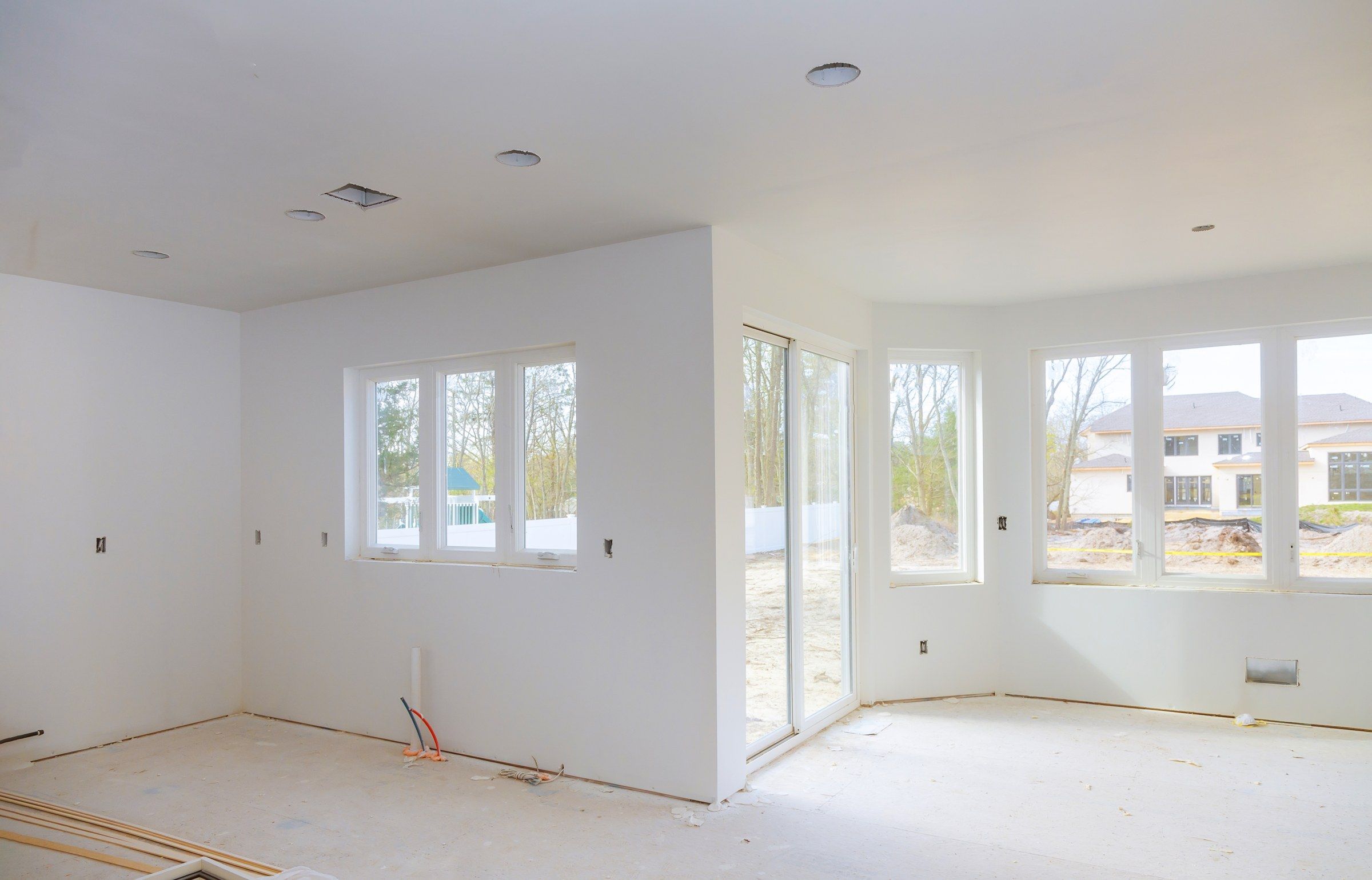
These are stock photos showing the kind of difference this work makes, not one of our own projects.
Water damage in our area
Wisconsin winters cause a good share of it. Ice dams form along roof edges and push meltwater indoors, and pipes in outside walls and over garages can freeze during a hard cold snap.
Spring brings the other half. New Berlin sees heavy rain on ground that’s still thawing, and finished basements are the first to feel it. If your sump pump has ever let you down, you know.
Good to know
The stain is dry. Can I just paint it?
If the drywall is still hard when you press on it, and you know the leak is fixed, then yes. Use a stain-blocking primer first, or the mark will bleed straight through regular paint. If the spot feels soft or crumbly, it needs to be replaced.
How do I know if it is still leaking?
Draw a light pencil line around the edge of the stain and check it after the next rain or a few days of showers. If the stain grows past the line, the leak is still active. A moisture meter gives a faster answer, and we bring one to every water job.
How long before you can close the wall?
Until the wood inside reads dry. With a fan and a dehumidifier, that’s often two to four days. In a damp basement it can be longer. Closing up too soon is the most common reason these repairs fail.
Do I have to replace the whole wall?
Rarely. We cut out only what’s been damaged, plus a little extra to reach solid, dry board, and blend the new section into the rest. Once it’s painted you shouldn’t be able to tell where the old wall ends.
Your questions about water-damaged drywall repair
Is the stain dangerous?
The stain itself, no. What matters is whether the drywall is still damp or soft. If you’re unsure, we’ll check it with a meter.
How do I know if there’s mold?
A musty smell or visible spotting are the clues. We’ll see for certain when we open the area. A little surface mold we can clean. A lot needs a specialist, and we’ll tell you.
Will insurance cover it?
It depends on your policy and what caused the leak. We can give you a detailed estimate and photos to send your insurer.
Can you fix the leak?
No, that’s a job for a plumber or roofer. We come in right after.
Will the new section match?
Yes. We blend the joints and match the texture, then the whole ceiling or wall gets repainted.
You might also need
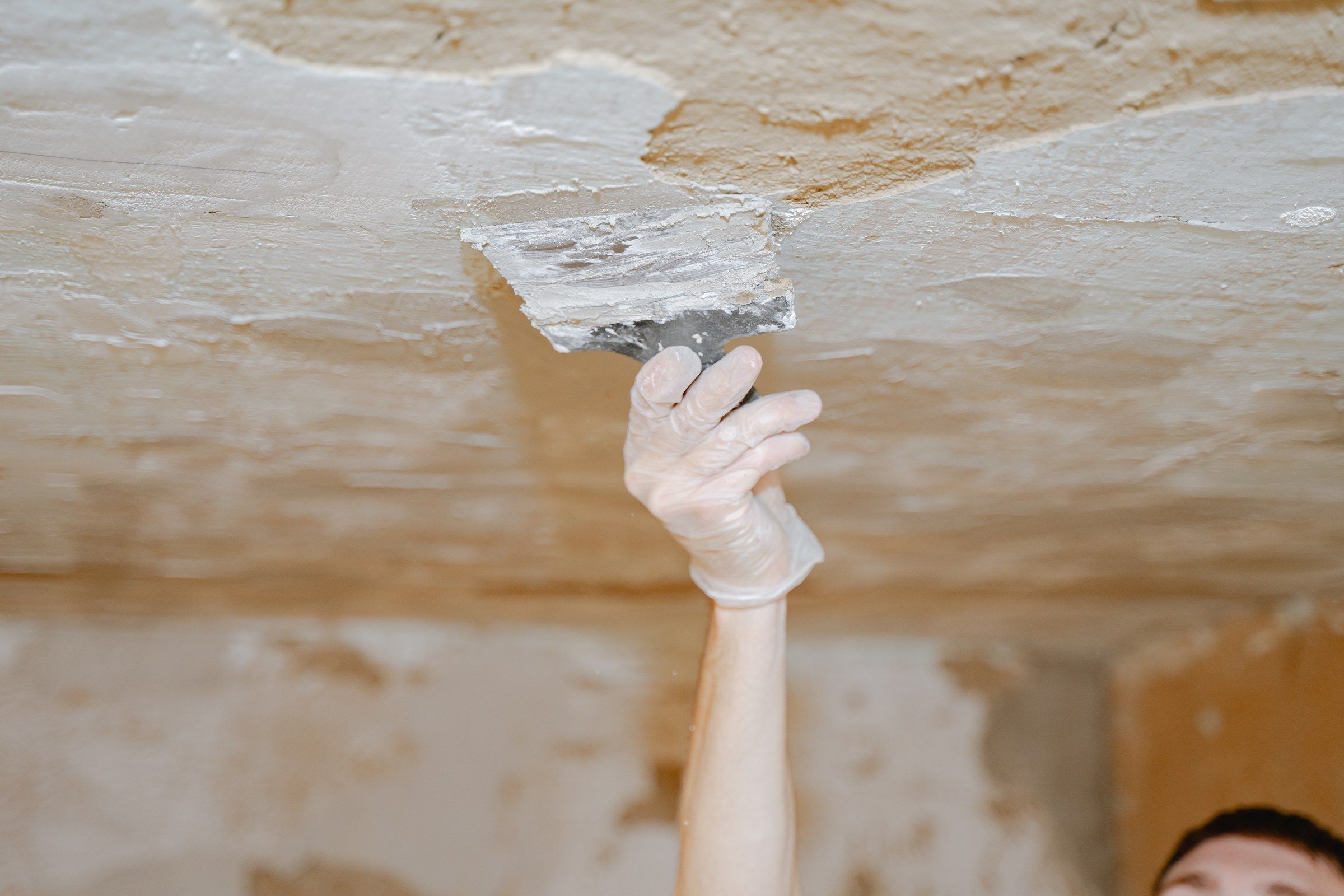
Ceiling Drywall Repair
Cracks, sags and stains overhead, fixed so they stay fixed.
Learn more
Drywall Repair
Cracks, dents, nail pops and banged-up corners, all handled in one visit.
Learn more
Basement Drywall Installation
The step that turns a framed basement into real rooms.
Learn more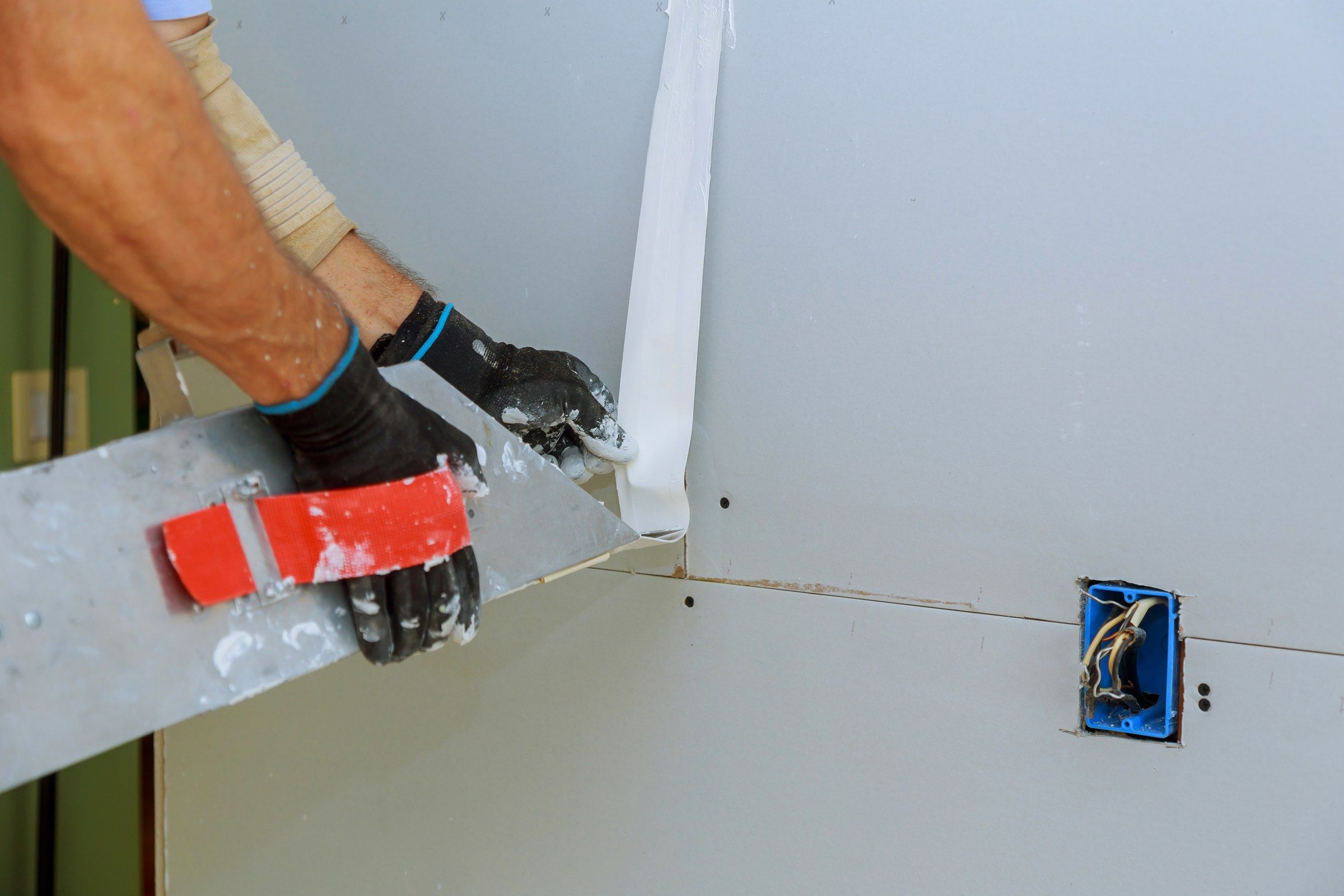
Drywall Patching
Holes big and small, patched so you can’t tell where they were.
Learn moreWant a price for this?
Tell us a little about your water-damaged drywall repair project in New Berlin and we’ll send a free written estimate.