
Drywall patching in New Berlin
That hole you keep hanging a picture over? We can make it disappear.
Get a free estimate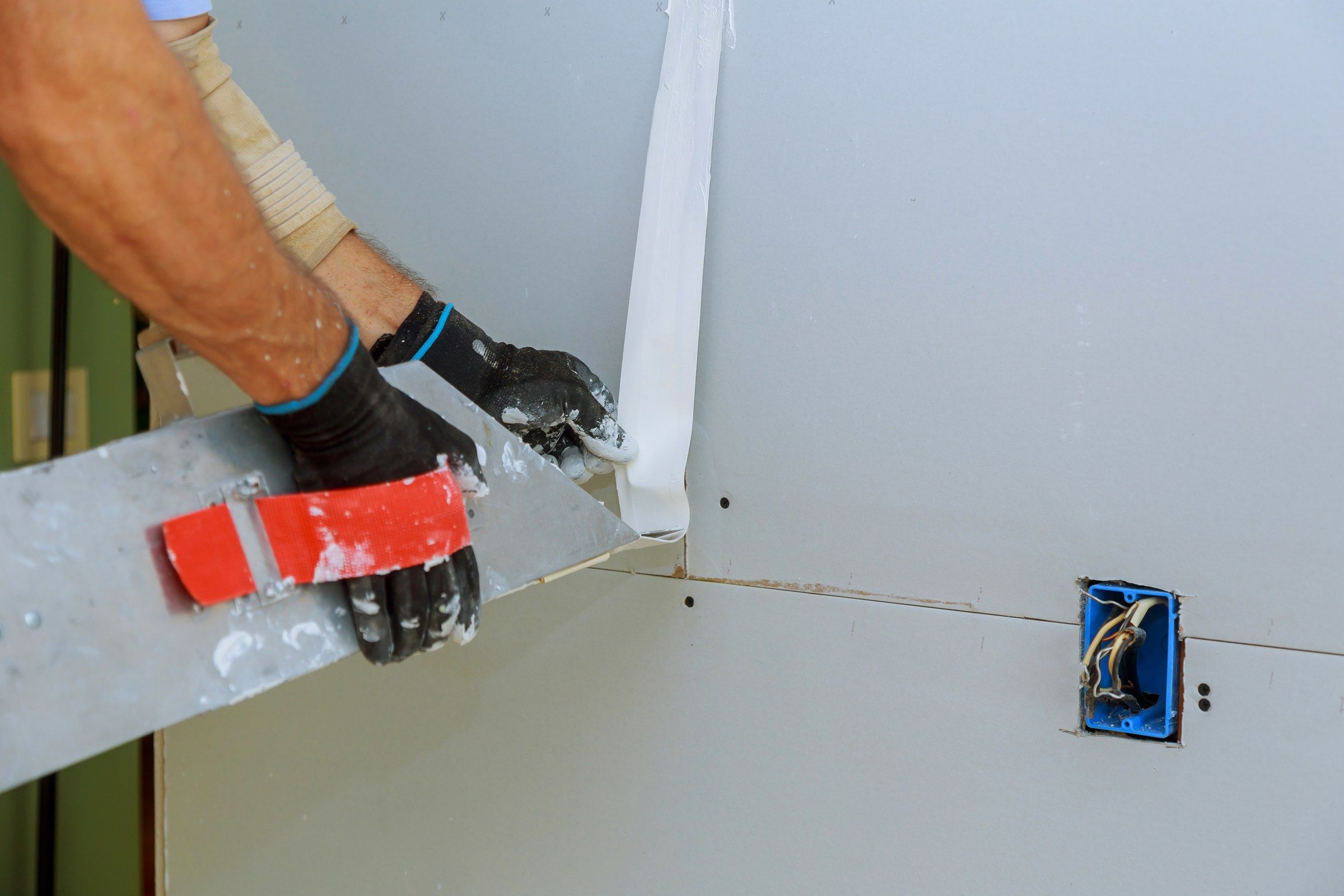
The short version
Most patches take one or two short visits. We cut out the damage, fit a new piece, tape and smooth it, and match your wall texture. Then it just needs primer and paint.
Holes happen. A doorknob goes through the wall. A plumber has to cut in to reach a pipe. A shelf comes down and takes a chunk of drywall with it. It’s not a disaster, but it does bug you every time you walk by.
A good patch isn’t complicated, but it does take the right steps and a bit of patience. Skip one and you get that tell-tale bump under the paint. We don’t skip them.
How a hole gets fixed properly
We cut the ragged hole into a clean square, add support behind the wall, and screw in a new piece of drywall the same thickness as the old. Then the edges are taped, just like the seams in the rest of your house.
After that come three thin coats of joint compound, each spread a little wider than the last. That wide, gradual feathering is the secret. It’s why you won’t see an outline once the wall is painted.
Holes we see all the time
Doorknob holes
We fix the wall and suggest a door stop so it doesn’t happen again.
Plumbing and electrical access
Neat squares left behind after repairs.
Wall anchor blowouts
From TVs, shelves, curtain rods and mirrors.
Kid and pet damage
Toys, hockey sticks, enthusiastic dogs. No judgment.
Old cable and phone jacks
Little openings nobody needs any more.
What we’ll do
Look and quote
Often from a photo you text or upload.
Cut and back
Clean edges, solid support behind.
Patch and tape
New drywall in, seams taped.
Coat and feather
Three coats, spread wide.
Sand and match
Smooth to the touch, textured like the rest.
Why store-bought patch kits disappoint
Peel-and-stick mesh patches are fine for a tiny hole in a closet. On a visible wall they leave a raised square, and they tend to crack around the edge because there’s nothing solid behind them.
We use real drywall, paper tape and a fast-setting compound that hardens instead of just drying. It’s a stronger repair and it sands perfectly flat.
What you get
A wall that looks untouched
No bump, no outline.
A quick turnaround
Small patches don’t wait behind big jobs for long.
A fair price for several
Have a few? We’ll do them all in one go.
Honest advice
If it’s something you could do yourself, we’ll say so.
What makes a patch cost more or less
Here’s the thing that surprises people: the size of the hole isn’t the main factor. A small hole and a medium one take nearly the same number of steps. Cut it clean, back it, fit a piece, tape it, three coats of mud, sand. The drywall itself is the cheap part.
What changes the price is how many patches there are, where they are, and whether your walls have a texture. One patch on its own means a trip out for a small job. Five patches in the same visit cost much less each. A patch at eye level in a hallway is simple. One on a ceiling or halfway up a stairwell takes longer.
Texture is the wild card. Smooth walls are the easiest to blend. If you have orange peel or knockdown, we have to recreate that pattern over the patch, and that takes a few test sprays to get right.
Can I patch it myself?
For small stuff, absolutely. Nail holes and little dings just need a dab of lightweight spackle, a light sand, and a touch of primer. That’s a ten-minute job and you don’t need us for it.
Holes up to a couple of inches can be done with a stick-on patch from the hardware store. They work, but they leave a slight bump because the patch sits on top of the wall. If it’s behind a door, you may not care. If it’s in your front hall, you probably will.
Anything bigger than that needs a real piece of drywall with support behind it, and tape on the seams. This is where DIY patches usually go wrong. Without backing, the patch flexes and cracks. Without tape, the edges show up as a faint square within a few months. If you’ve tried once and it didn’t turn out, don’t feel bad. It’s one of the trickier small jobs in a house, and a failed patch can still be fixed.
A few tips before and after
- Send us a photo with your hand or a light switch in it so we can judge the size.
- Tell us what caused the hole. If it was a leak, the leak needs to be fixed first.
- Clear a few feet around the spot and take down nearby pictures.
- If a doorknob did it, pick up a door stop. We can put it in while we’re there.
- Dig out your leftover wall paint, if you have any, and check that it’s still good.
Most patches take two short visits. On the first we do the cutting, fitting and first coats. On the second we put on the final coat, sand, and match the texture. Sometimes a small patch can be done in one longer visit with fast-setting compound.
Afterward the patch needs primer, then paint. If your wall paint is fairly new and you have the same can, you can often just paint the patched area. If the paint is a few years old, it will have faded a little, and you’ll get a better result painting the whole wall from corner to corner. We’ll tell you which we think you’ll need.
And if you’re planning to paint the room soon anyway, that’s the perfect time to have every little ding fixed at once. Walk around with a roll of painter’s tape, mark each spot, and we’ll take care of the lot.
Before and after

These are stock photos showing the kind of difference this work makes, not one of our own projects.
Patching in New Berlin homes
Many homes here are at the age where plumbing and electrical updates are common, and every one of those jobs leaves a few holes. We’re often the last call on the list after the plumber and electrician have finished.
Wall textures vary from house to house around here, from smooth to a light orange peel. Matching yours is part of the job.
Good to know
Why did my old patch crack?
Almost always because it wasn’t taped or wasn’t backed. Compound on its own can’t hold a seam together, so a hairline shows up around the edge. We can cut out a failed patch and redo it so it stays put.
Can you fix a hole in a textured wall?
Yes. Once the patch is flat, we rebuild the texture over it and blend it outward. Matching takes a few practice passes on a scrap board, and we don’t move to your wall until the pattern looks right.
Do you patch after plumbers and electricians?
All the time. Repiping and rewiring leave a trail of square holes. We close them all in one go and leave the walls ready for paint. If the tradesperson is still working, it’s best to wait until they’re completely finished so nothing gets cut twice.
The paper is torn but there is no hole. Is that a patch?
It needs attention, yes. Torn paper left bare will bubble when anything wet touches it, including paint. We seal it first, then skim over it so the wall is smooth again. It’s common after removing a mirror, tile or wallpaper.
Your questions about drywall patching
Can I send a photo for a quote?
Yes, please do. For most patches a photo with something for scale is all we need.
Will you paint the patch?
We leave it ready for primer and paint. Painting the whole wall, corner to corner, gives the best blend.
How long until I can paint?
Usually the next day, once the last coat is dry and sanded.
Is there a minimum charge?
There’s a practical minimum for coming out, which is why it’s smart to group a few repairs. We’ll tell you up front.
Can you fix a patch someone else did badly?
Yes. We often redo patches that stick out or have cracked.
You might also need
Drywall Repair
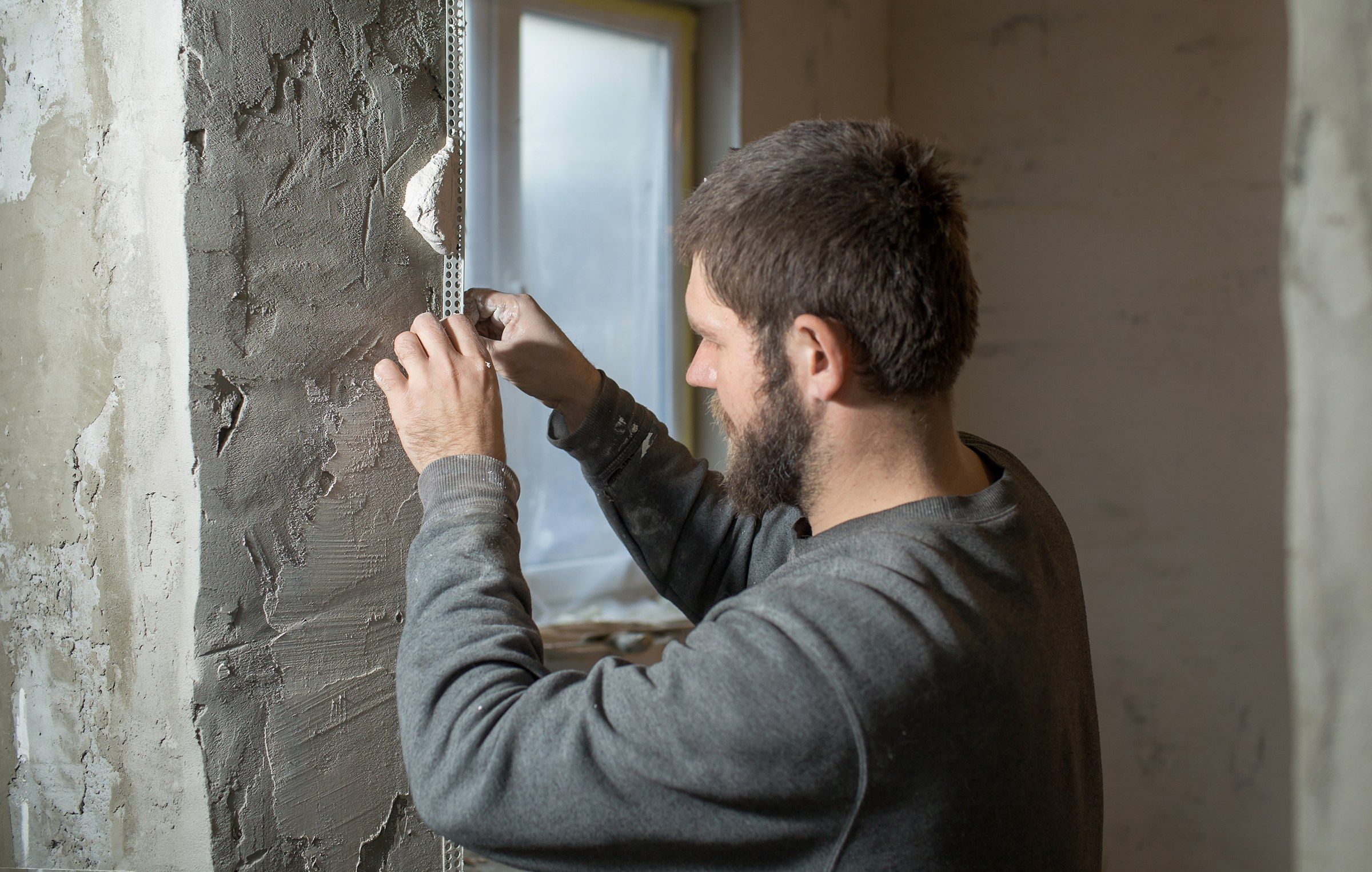
Cracks, dents, nail pops and banged-up corners, all handled in one visit.
Learn more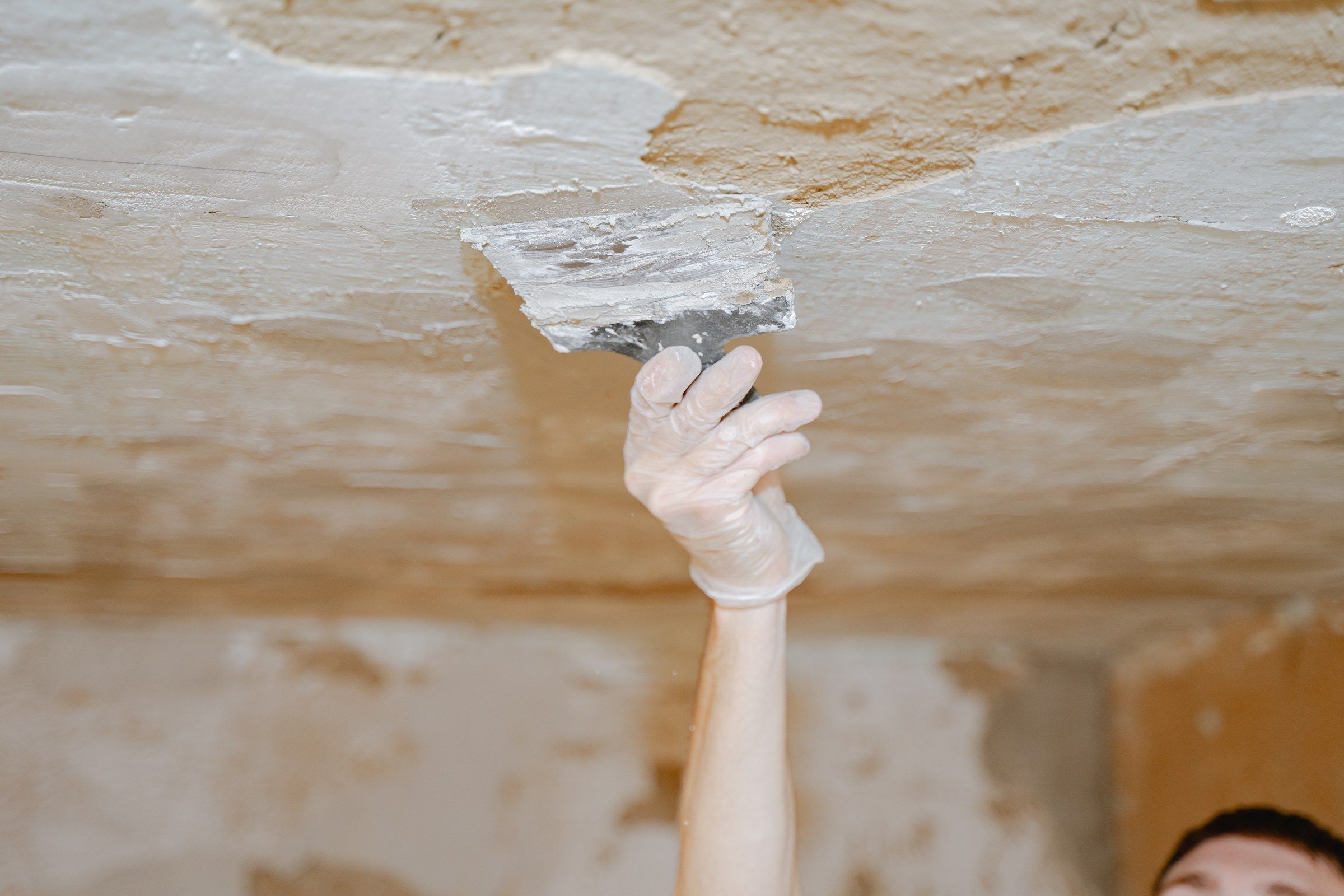
Ceiling Drywall Repair
Cracks, sags and stains overhead, fixed so they stay fixed.
Learn more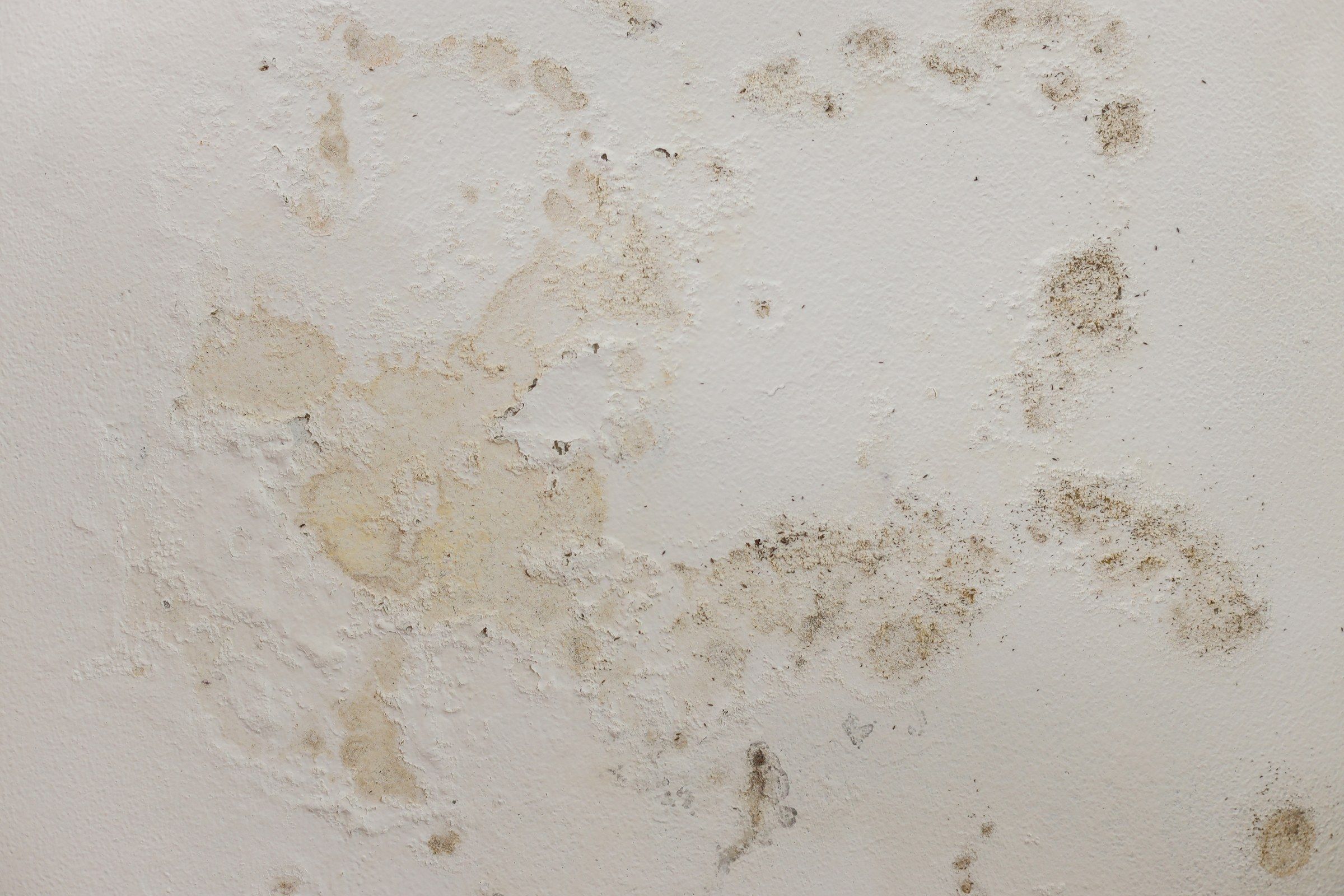
Water-Damaged Drywall Repair
Stains, soft spots and sagging from leaks, cut out and made new.
Learn more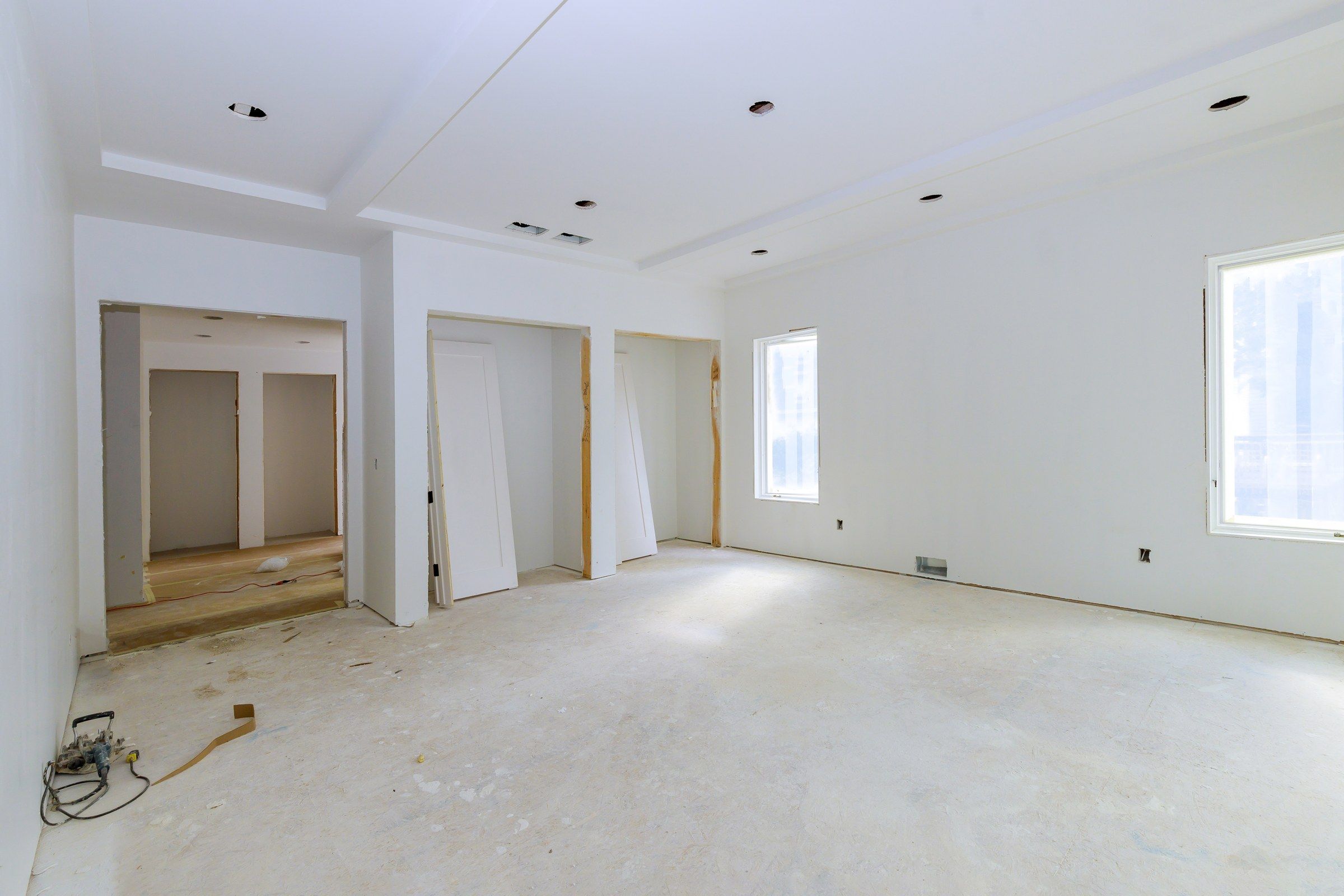
Residential Drywall Services
Remodels, additions and repairs for New Berlin homeowners.
Learn moreWant a price for this?
Tell us a little about your drywall patching project in New Berlin and we’ll send a free written estimate.