
Drywall repair in New Berlin
Make a list of everything that bugs you. We’ll work through it.
Get a free estimate
The short version
We repair cracks, nail pops, dents, peeling tape and damaged corners, usually over two or three short visits. Grouping repairs into one job saves you money.
Every house collects them. The crack above the bedroom door. The row of little bumps on the ceiling. The corner by the stairs that the vacuum keeps hitting. None of it is urgent, so it waits. And waits.
Then one day you decide to paint, or sell, or you just get tired of looking at it. That’s when we come in. We’ll go room by room and fix the lot.
Repairs that last
There’s a quick way to fix drywall and a right way. The quick way is filler and paint. It looks fine for a few months, then the crack is back.
The right way is to find out what caused it. A crack means tape has failed or something is moving. A nail pop means a fastener has come loose. We fix that first, by adding screws, replacing tape or swapping out bent corner bead, and then make it smooth.
The usual suspects
Cracks by doors and windows
Diagonal ones from the corners are very common.
Nail pops
Small round bumps, often a few in a line.
Peeling tape
Seams lifting or bubbling, usually in corners.
Dented corners
Hallways and stairways take the hits.
Dings and gouges
From moving furniture and daily life.
Bad old patches
We’ll redo them so they blend.
How a repair visit goes
Walk through together
Point out everything. We’ll probably spot a few more.
Protect the area
Drop cloths and plastic.
Fix what’s underneath
Screws, tape, corner bead.
Smooth it over
Two or three coats, feathered out.
Sand and match
Texture matched, ready for primer.
A money-saving tip
Group your repairs. Most of the cost of a small drywall job is getting there and setting up. Once we’re in the house, fixing ten spots doesn’t cost ten times as much as fixing one.
So before we visit, walk around with a roll of painter’s tape and mark everything. It’s oddly satisfying, and it makes sure nothing gets missed.
Why now is a good time
Before painting
So the new paint has a good surface.
Before selling
Clean walls photograph and show better.
After buying
Start fresh in your new place.
Just because
You’ve looked at it long enough.
What makes a repair cost more or less
Drywall repair covers a lot of ground. Popped screws, cracks, dented corners, holes, peeling tape. Each one takes a different amount of work, so the price depends on what’s on your list.
The best way to save is to do everything at once. Every repair needs the same series of coats with drying time in between, and we can work on twenty spots in the same visits it takes to do one. Walk through the house with a roll of painter’s tape, stick a piece next to each problem, and send us photos.
Texture and height add a bit. So does anything that needs a ladder in a stairwell.
Why do my walls keep cracking?
It’s almost never because something is wrong with your house. Wood moves. In a Wisconsin winter, with the furnace running, the air inside gets very dry and the framing shrinks a little. In a humid summer it swells back. Drywall doesn’t stretch, so the stress shows up at the weak points.
That’s why you see little round bumps where screws have popped, and thin cracks at the corners above doors and windows. Newer homes get the most of this in their first couple of years, as the lumber dries out.
The fix for a popped screw is to add a new screw nearby to pull the drywall tight, then cover both. The fix for a crack is to tape it properly. Just filling it with spackle or caulk looks fine for a few months, and then it opens right back up.
A whole-house humidifier set to a sensible level helps keep things steadier through the winter.
Which repairs can I do myself?
Quite a few. Nail holes, small dents and the odd screw pop are all good DIY jobs. Use lightweight spackle for holes and dents, let it dry, sand lightly, and prime before you paint.
For a screw pop, drive a new drywall screw about two inches above or below the old one, just until the head sits slightly below the surface. Then tap the old one in and cover both with two thin coats.
Cracks and corners are harder. They need tape and a few wide coats to stay fixed and stay invisible. Dented metal corners need the damaged piece cut out and replaced. Those are the ones people usually call us for.
When to call sooner, not later
Most drywall problems are cosmetic and can wait until it’s convenient. A few are worth a quicker look.
- A stain that’s getting bigger, or one that appeared after rain.
- A spot that feels soft or damp when you press on it.
- A crack wide enough to fit a coin in, or one that keeps growing.
- A ceiling that’s starting to sag.
- A door that’s begun to stick near a new crack.
The first four usually mean water. The last one can mean the house is shifting. We’ll tell you what we think is going on, and if it needs a plumber, a roofer or an engineer before us, we’ll say so.
Before and after
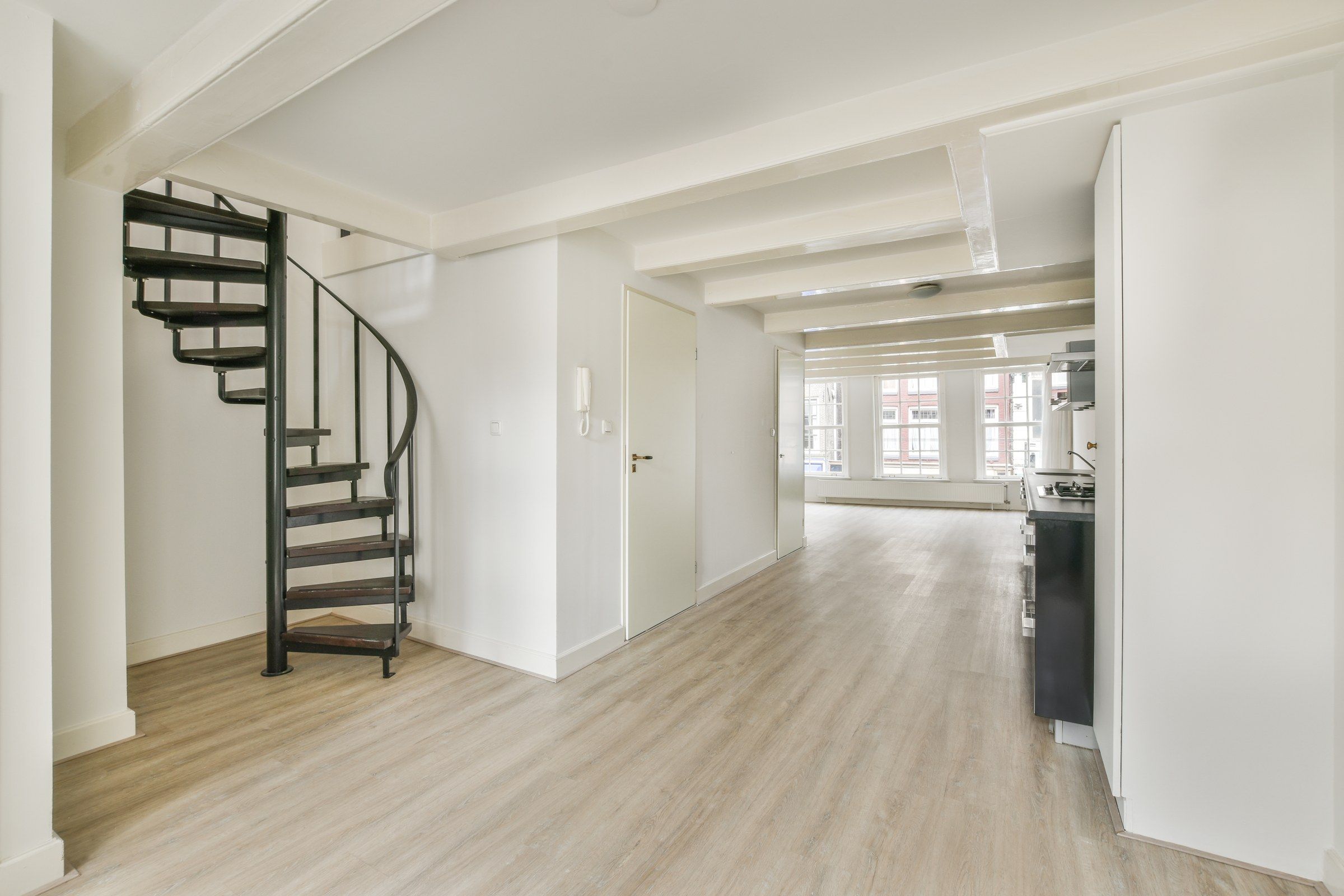
These are stock photos showing the kind of difference this work makes, not one of our own projects.
Why New Berlin walls crack
Our climate swings from humid summers to very dry, furnace-heated winters. Wood framing swells and shrinks with it, and drywall seams take the strain. A few cracks and pops after ten or fifteen winters is completely normal.
It doesn’t mean anything is wrong with your house. It just means it’s a house in Wisconsin.
Good to know
How many visits does a repair take?
Most need two or three short ones, a day or so apart, because each coat has to dry. A long list takes the same number of visits as a short one. They’re just longer visits.
Can you fix the corners my movers smashed?
Yes. Dented outside corners have a metal or plastic strip underneath. We cut out the bent section, put in a new piece, and coat it so the corner is straight again.
Should I fix the walls before or after painting?
Before, always. Repairs need primer and paint over them, so do the drywall work first and let the painter cover it all in one go. If you’re hiring a painter, we can time our work to finish just before they start.
My house is brand new. Why are there cracks already?
New lumber dries and shrinks during the first couple of years, and the drywall shows it. It’s normal. The smart move is to wait until the house has been through at least one full winter, then have everything fixed in a single visit.
Do you repair plaster too?
Small cracks and holes in plaster walls can often be repaired with drywall methods and the right bonding products. Send us a photo and tell us the age of the house, and we’ll let you know if it’s something we’d take on.
Will you tell me if it is not worth fixing?
Yes. If a wall or ceiling is so patched and uneven that another repair won’t look good, we’ll say so and explain the alternatives, like skim coating the whole surface or covering it with new board.
Your questions about drywall repair
Are cracks a sign of a foundation problem?
Almost never. Hairline cracks at seams and openings are seasonal movement. Wide or fast-growing cracks, or doors that suddenly stick, are worth having a structural pro check.
What’s a nail pop?
A nail or screw that’s worked loose and pushed out its little cap of compound. We add a screw beside it and smooth it over.
Can you come before my painter?
Yes, that’s ideal. Give us the painter’s date and we’ll plan backward.
How do you charge?
One price for the whole list, given after we’ve seen it.
Do you match texture?
Yes. Smooth, orange peel and knockdown all match well.
You might also need
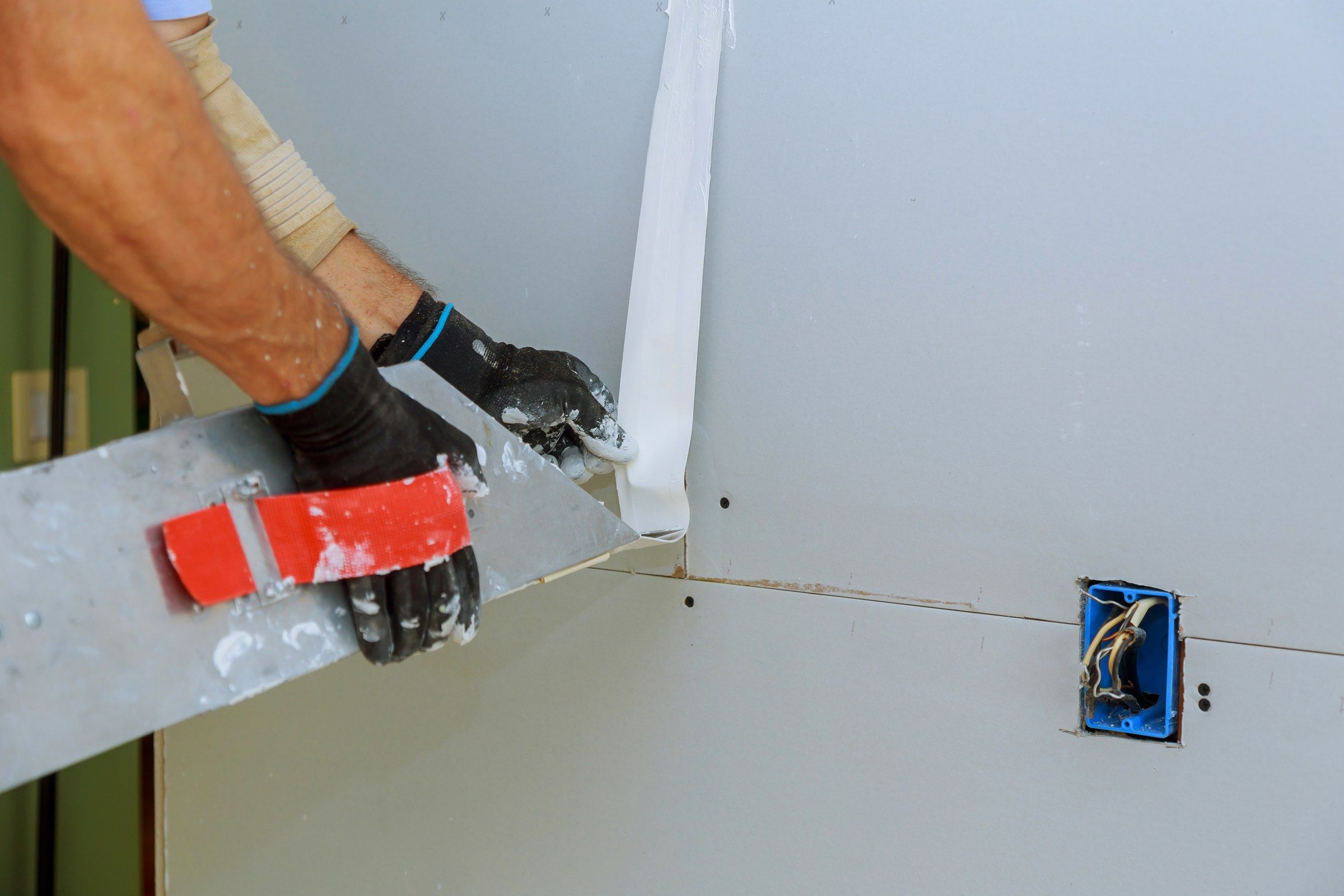
Drywall Patching
Holes big and small, patched so you can’t tell where they were.
Learn more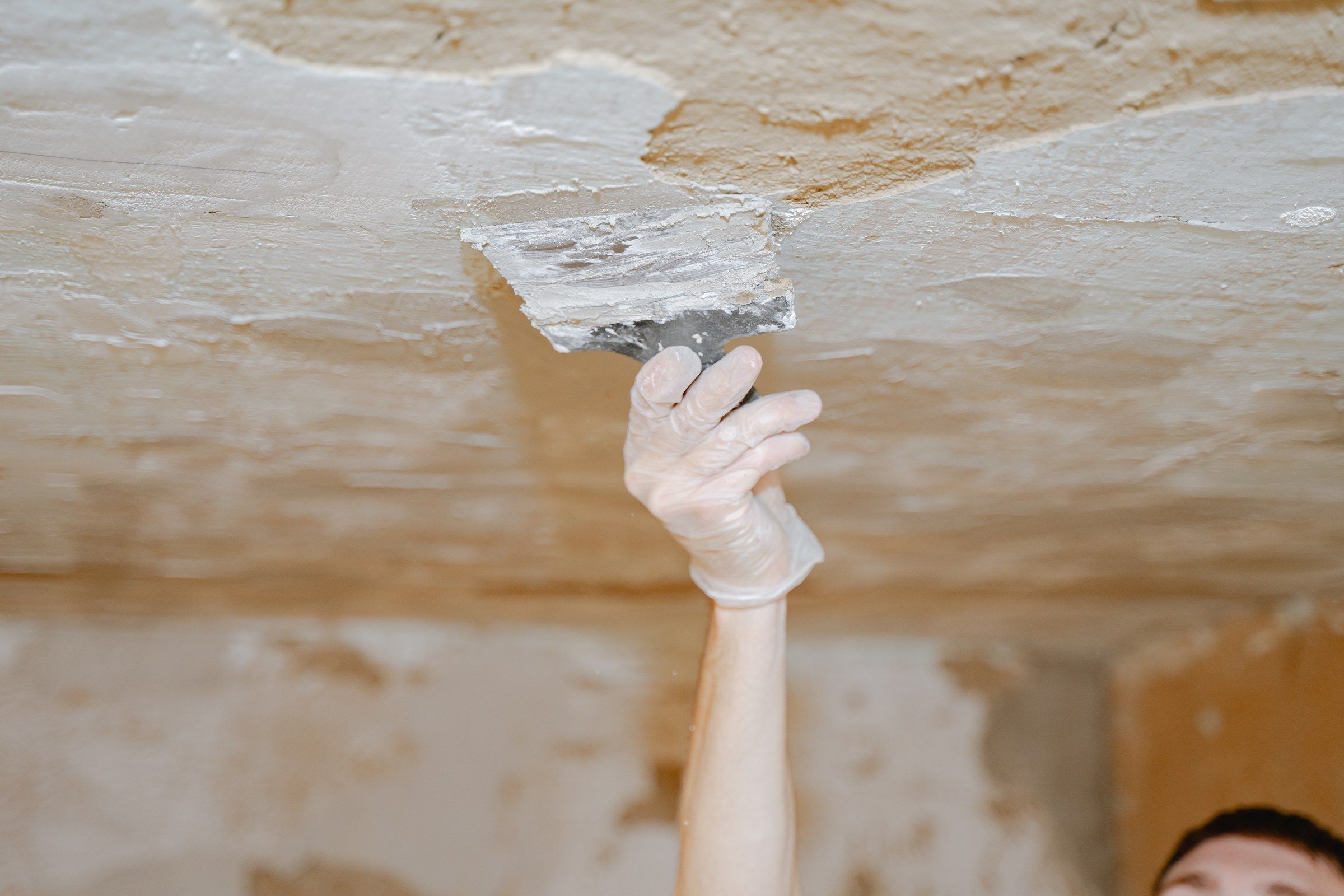
Ceiling Drywall Repair
Cracks, sags and stains overhead, fixed so they stay fixed.
Learn more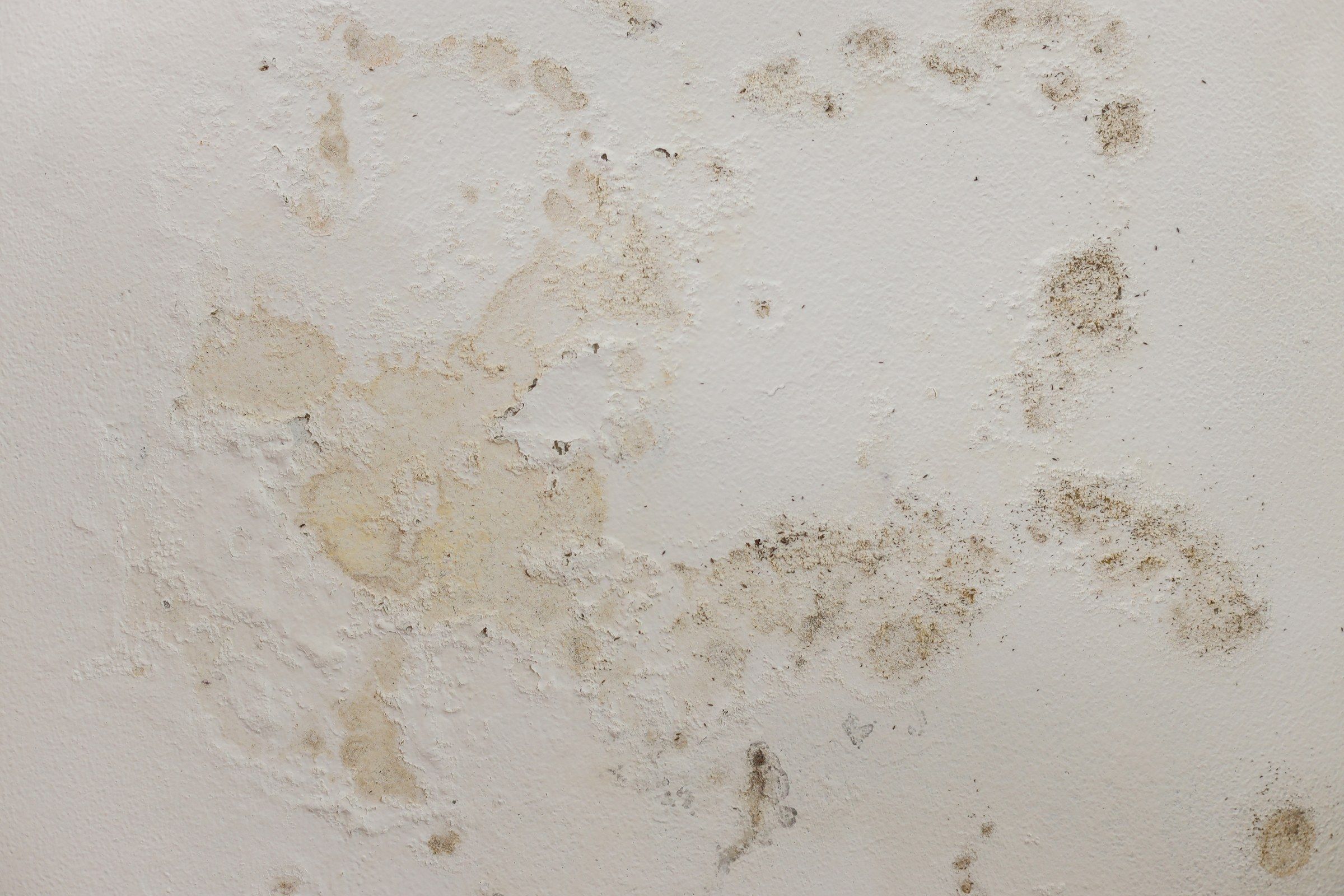
Water-Damaged Drywall Repair
Stains, soft spots and sagging from leaks, cut out and made new.
Learn more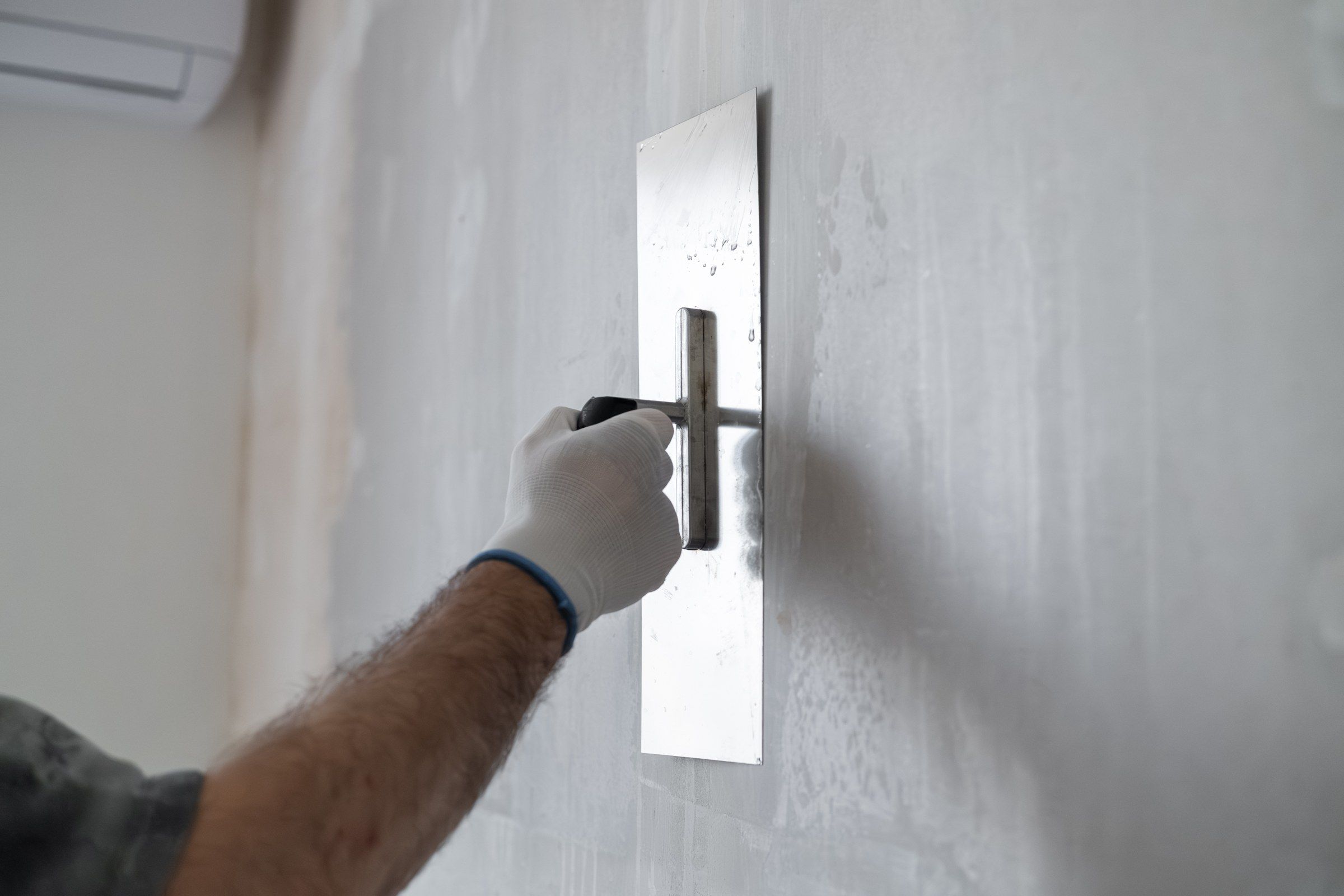
Drywall Finishing
Smooth, paint-ready walls, with the finish level explained in plain English.
Learn moreWant a price for this?
Tell us a little about your drywall repair project in New Berlin and we’ll send a free written estimate.